
August 26th is International Eldest Daughter Day. As with every holiday, social media was flooded with posts and messages about the celebration. For a holiday that many people weren’t aware existed, the posts, messaging, and stories shared have highlighted a concerning plight for the eldest daughter.
The holiday exposed yet another failure of society. To burden a child with grown-up matters and call it duty, maturity, and responsibility. It is a failure to protect a child and a failure to take accountability.
The Unspoken Burden.
The eldest daughter, the good child. The one who grew up too fast and learnt responsibilities too early. Never just a child, never just a daughter, but second in command, a co-parent, and often a mother’s backup plan.
At 9, she was learning how to cook and portion food for a family of seven. She was cleaning up after her siblings, watching over them, and ensuring they ate all their food, lest Mom would be disappointed.
She was helping out. Like cleaning the house while the mother fed the baby. Carrying the toddler as the mother went to the market. Folding the laundry while the other children played. Helping her siblings stay out of danger and supporting them to find their footing as they tried to walk.
What begins as ”helping mom” quickly becomes a full-time role. A free nanny who helps her siblings do their homework, cleans after them, and soothes their tempers. Sometimes in financially constrained homes, she would absorb her parents’ frustrations and even protect them from the emotional weight of a strained household.
Over time, her childhood becomes a blur of chores, caretaking, and silent sacrifices. She learnt that her value comes from what she can do for others. That her worth is in helping other people. She learnt that her needs come last, just like her mother’s, and also because nobody ever taught her otherwise.
Who Is to Blame for This?
There are cultural and social reasons why the eldest daughter’s role is so heavy.
Patriarchy.
The patriarchy is to blame for everything wrong in society. It is funny how boys are taught to lead while girls are taught to serve. So, when the girl is a first-born, she becomes the default helper. Similarly, in households where the first-born daughter is a third- or fourth-born, she is still molded into this role despite having elder brothers.
It’s like when your boss asks you to take notes in a meeting because you are the only lady present. Or they volunteer you to pray for tea and snacks when there are more religiously inclined men in the room. The patriarchy upholds traditional gender roles and family hierarchies, forcing distinct burdens on the eldest daughter.
Also, society deems mothers the primary caregivers, and fathers’ roles are watered down to only financial support. The truth is, parenting demands and requires the effort, energy, and time of both parents. So, the imbalance in parenting roles in a family forces the eldest daughter to step up and ”help out.
Poverty.
In low-income households, children are often raised to be assets. Many have children in the hope that one of them, or all of them, will make it in life and help them out of their predicaments. It is such an unfair burden to place on children. Consequently, the eldest daughters become caregivers and homemakers early on.
It is advisable only to have children when you are financially stable and can truly afford them. While money does not completely alleviate the plight of the eldest daughter, it lessens the burden. Instead of leaving your children to your first-born daughter, you can comfortably hire a nanny or four.
Generational Trauma.
The cycle of subservience. When parents fail to heal from their own childhood trauma, they unconsciously pass down the emotional burden. Mothers who were eldest daughters themselves often involuntarily pass down the same emotional expectations.
Mothers who survived patriarchy by suppressing their own needs often train their eldest daughters to do the same. They normalize self-sacrifice and teach it to their daughters. Thus, fulfilling family duties becomes a survival tactic for girls.
Emotional Imbalance.
Traumatized parents often look to their first-born daughters to fix their emotional voids. Mothers may project their lost dreams, financial worries, or unmet emotional needs onto the eldest daughters. If parents are numbed by trauma or emotionally immature, she steps up to regulate the household and manage everyone’s emotions.
As a result, first-born daughters learn to read the room constantly to anticipate and prevent chaos and parental emotional outbursts. Similarly, such children are forced to process adult anxieties like financial stress, addiction, and grief long before they are mentally developed.
The Take Away.
What every social media post highlighted is that, as a society, we need to recognize that the eldest daughter is also a child. She is not some problem-solving wiz, an emotional support companion, or free help; she, too, is but a child.
She too deserves someone to take care of her. Someone to help her with her homework. She deserves praise that goes beyond being mature and responsible. The eldest daughter also needs someone to guide her, support her, and be their emotional support. Best of all, she deserves her childhood. ♥
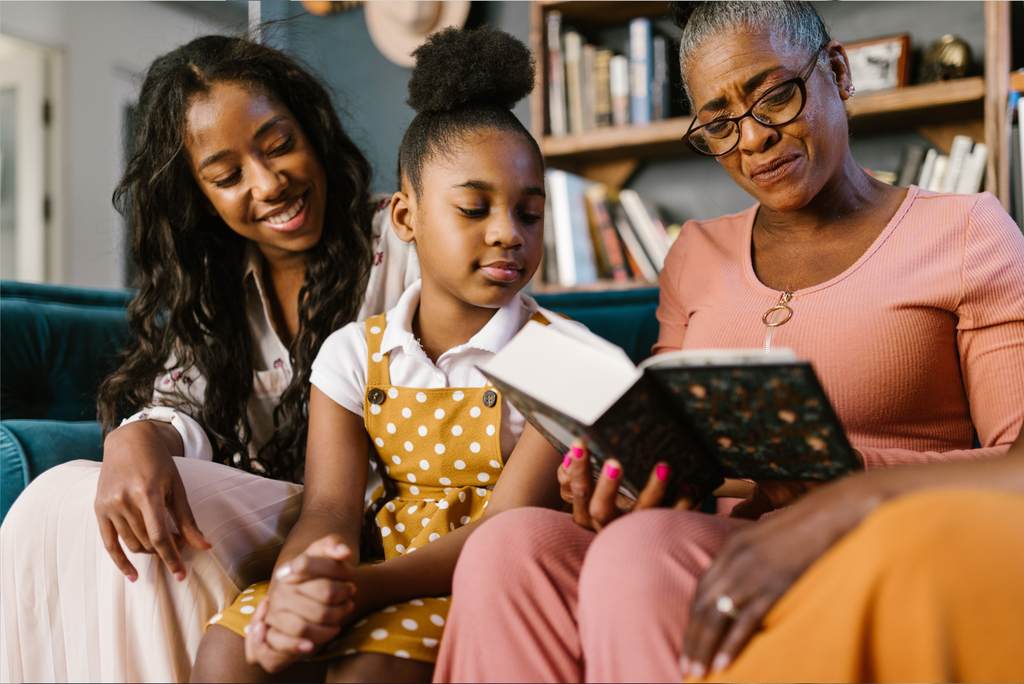
Photo by RDNE Stock project on Pexel.

Mourine Warui is a media and communication expert and seasoned writer. Her goal is to empower and offer solutions to everyday girl’s problems while provoking candid and authentic conversations. Other goals are to provide inspiration and entertainment to readers through creative, thought-provoking and edgy stories.