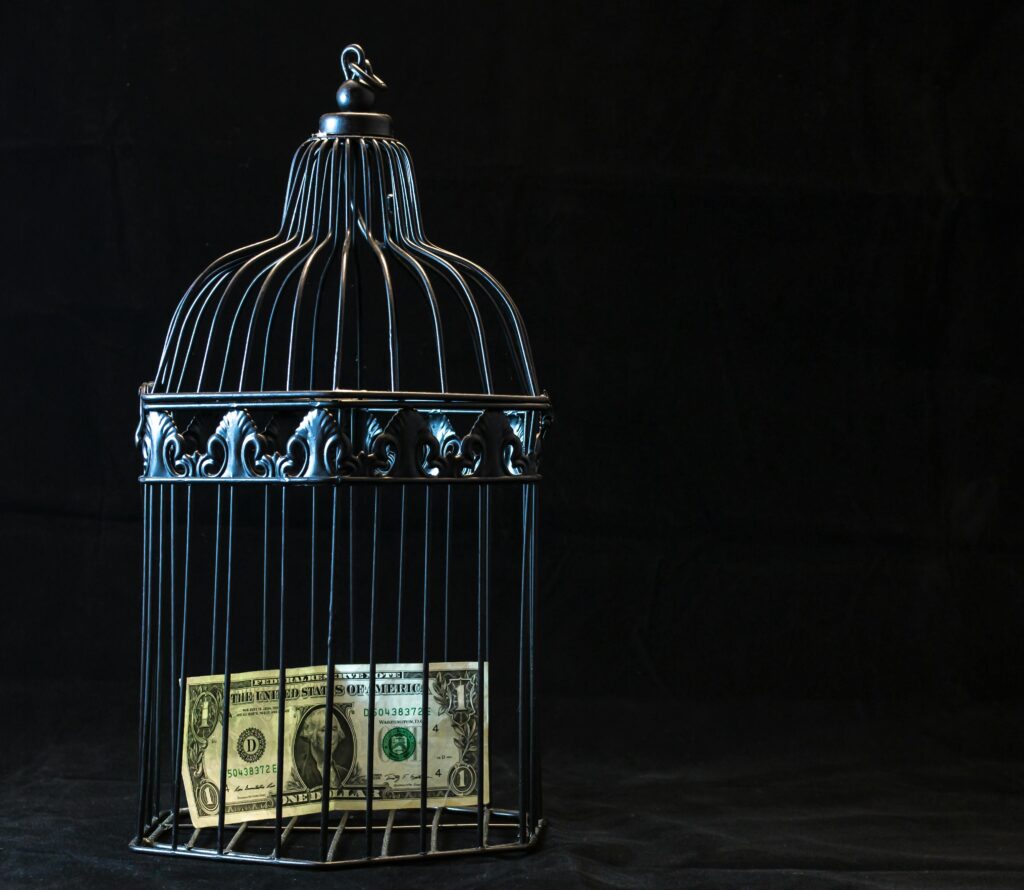

Life is unpredictable. It is full of surprises, some exciting, others terrifying, and many expensive. Whether it is a spontaneous travel opportunity or an unexpected household repair, an emergency fund acts as a buffer that allows you to weather life’s uncertainty. It ensures you are always financially ready for anything.
That said, building an emergency fund requires discipline, consistency, and planning. Whether you earn a million a month or live paycheck to paycheck, there are strategies that can help you get started. Read on and discover tips on how to build an emergency fund.
Set A Goal.
To begin building an emergency fund, you need to know how much you need. Therefore, take out your calculator, it’s math time! Start by adding up all your essential monthly expenses, including rent, groceries, Wi-Fi, car payments, loan repayments, and monthly utilities. Then multiply this figure by the number of months you want to cover, ideally 3 to 6.
Having a specific goal that you are saving towards will help you stay motivated and keep you on track. Using an emergency fund calculator can help you estimate the right amount depending on your financial situation.
Create A Separate Account.
To successfully build an emergency fund, you need to keep the money separate from your normal account. If you leave the money in an account that you frequently use, you may spend it without realizing it.
What you need is a savings vehicle that balances liquidity and security, such as a money market fund (MMF). Your emergency fund should be separate from daily spending and also easy to access, since it is for emergencies.
Automate Your Savings.
The best saving strategy is automation. Therefore, you should set up a recurring money transfer from your paycheck or checking account to the emergency fund account. The transfer can occur monthly or weekly, depending on your preference.
This will help you stay consistent with your savings without having to think about it. Even a small amount saved regularly adds up over time and makes a real difference. Aim to transfer a specific amount first, then add more when you can afford it.
Cut Unnecessary Expenses.
Many people who don’t have an emergency fund or any savings at all say their earnings aren’t enough. You could be spending hundreds of thousands of dollars every month, but if your spending habits are wanting, it will feel like you are living paycheck to paycheck.
To find extra money to save, you will need to adjust your spending habits. Begin by identifying areas where you can reduce non-essential costs, such as subscriptions; you don’t need five subscriptions to the same thing. Cook meals and dine in often instead of dining out; you will be surprised at how much you save.
Monitor Your Progress Regularly.
Since you have automated your savings, you need to find a way to check your savings regularly. Perhaps it is an automated message alerting you to the deposit into your emergency fund account or the monthly account statements.
Watching your progress can offer instant gratification and encourage you to keep going. Also, seeing the amount accumulate bit by bit helps you see what exactly you are building.
Celebrate Your Wins.
If you manage to stick to the saving habit, take the opportunity to recognize what you have accomplished. Celebrating your wins encourages you to keep up the spirit and habit. You can treat yourself to a special dinner or a deserving purchase. Besides, if you have reached your goal, set a new one and keep raising the bar.
Where Should You Keep Your Emergency Fund?
Where you keep your emergency fund matters. You need a safe and easily accessible platform. It should also be a strict place that limits the temptation to spend the money on non-emergencies. Here are a few options for saving vehicles where you should put your emergency fund:
High-yielding savings account. A high-yielding account offers easy access to your money while offering more interest than a normal savings account. Also. The funds are insured, and funds can be withdrawn at any time without penalties.
Money Market Accounts. A money market account combines the benefits of a savings account with limited checking features. It offers higher interest rates than regular savings accounts and also offers easy withdrawals.
Short-term certificates of deposit (CDs). A short-term CD provides higher interest rates than a standard savings account. However, your money is locked for a set period, such as 3 to 6 months, and you can’t access it until it ends. It lacks the immediate access that other accounts offer, but it is a good option for long-term savings.
What To Avoid?
As previously stated, an emergency fund is money set aside to cover unexpected financial blows. Therefore, you should avoid storing your emergency fund in high-risk, illiquid assets such as real estate, stocks, and long-term investment accounts.
These options may offer high returns, but they are highly unpredictable due to market movements. Also, accessing your money may be difficult, especially in a dire situation.
Hence, choose options that keep your money accessible, insured, and steadily growing. ♥

Mourine Warui is a media and communication expert and seasoned writer. Her goal is to empower and offer solutions to everyday girl’s problems while provoking candid and authentic conversations. Other goals are to provide inspiration and entertainment to readers through creative, thought-provoking and edgy stories.