
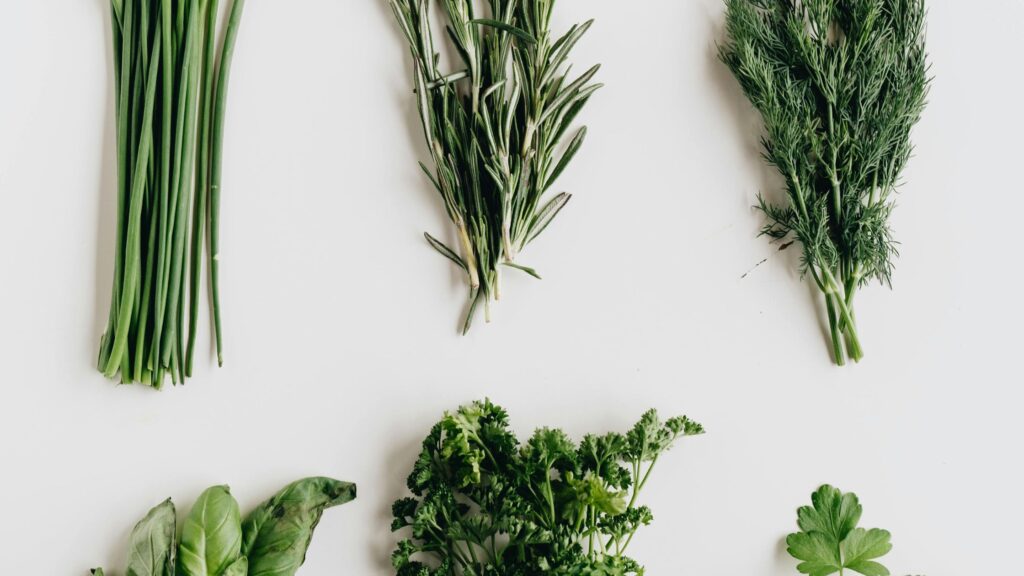
Herbs not only add flavour to foods, but also offer more than just culinary power. They can also relieve and cure various ailments. Mother Nature offers potent cures for common ailments in the form of herbs.
The Chinese and Indian cultures are known, far and wide, for tapping into the vast medicinal properties of plants. Chinese medicine dates back thousands of years and is highly regarded as a safer and more effective alternative to traditional Western medicine often, because they work without the adverse effects of commercial drugs.
While many people remain sceptical of the curative power of herbs, research actually supports some of these claims. In fact, extracts from many herbs, such as mint, turmeric, and rosemary, are used in medicines.
Therefore, the next time you have a bloated stomach, a severe headache or back pain, forget the pills. Visit the kitchen or pantry for natural remedies. Here are eight herbs you should stock up on!
1. Basil
Scientifically named: Ocimum basilicum.
Also known as Sain Joseph’s Wort, this aromatic plant is a prized culinary herb popular in Italian, Vietnamese, and Thai cuisines. It belongs to the mint family. Research shows that this herb has anti-inflammatory, anti-bacterial and anti-ageing properties. It is also used in traditional Ayurvedic medicine, a popular practice in India. Therefore, sprinkling a handful of basil on your salad can help preserve your youthful look and alleviate your arthritis symptoms at the same time.
2. Chamomile.
Scientifically named: Matricaria Chamomilla.
A new social media trend involves drinking chamomile tea before bedtime. You may not be the type to jump on trends, but this is highly recommended and with good reason. The herb has been widely used as a relaxant to help induce sleep and calm.
There are two popular types of chamomiles: German and Roman/English chamomile. The Roman chamomile is used in teas, while the German chamomile is used to treat colds, skin disorders such as diaper rash and eczema, and to relieve gum inflammation.
3. Oregano.
Scientifically named: Origanum vulgare
Oregano is hailed as a natural antibiotic agent, native to the western and southwestern regions of Eurasia and the Mediterranean. In Greece, this herb is dubbed the ‘joy of the mountain’. It is often used to treat urinary tract and respiratory infections. Oregano can also relieve menstrual cramps and gastrointestinal disorders. If you have dandruff and other skin infections, you can use this herb for treatment.
4. Turmeric.
Scientifically named: Curcuma Longa
Native to southern Asia, this spice is a member of the ginger family and a key ingredient in Indian cuisine. This is touted to be the king of herbs due to its healing properties. In fact, it is the most studied and frequently cited herb in the world.
Research shows that turmeric is used to treat colon, pancreatic and breast cancer. It can also treat brain and lung diseases as well as myeloid leukaemia. Popular in Indian culture, turmeric is also used as an ingredient in many skin products as it promotes a blemish-free complexion.
5. Lavender.
Scientifically named: Lavandula angustifolia
Along with chamomile, this bushy perennial is commonly used in aromatherapy. Lavender essential oil possesses antiseptic and anti-inflammatory properties, making it a common treatment for minor burns and insect bites.
If you are experiencing a headache, this herb offers effective relief. It can help alleviate symptoms such as vomiting, abdominal swelling, and respiratory issues. Whenever you are feeling off, brew the herb and drink it as tea. It can relieve depression, nervous tension, restlessness and insomnia.
6. Rosemary.
Scientifically named: Rosmarinus officinalis
Rosemary makes the oven-fried chicken and lamb dishes taste aromatic and yummy. Rosemary on pizza and roast potatoes tastes heavenly too. Aside from its culinary prowess, rosemary is also popular for its healing capabilities.
The fragrant herb native to the Mediterranean boosts immunity, promotes hair growth, and relieves muscle pain. Rosemary herb can improve your memory and boost circulatory health. In addition, it is an excellent source of calcium and vitamin B6.
7. Coriander Leaves.
Scientifically named: Coriandrum sativum
Also known as cilantro, this dark green herb has a citrus flavour and is rich in antioxidants, vitamins and dietary fibre, which help reduce cholesterol levels in the blood. Additionally, if you are on a weight loss journey, this herb can help you achieve your desired weight.
Coriander leaves are rich in minerals, making them an excellent addition to salads and other dishes. Interestingly, it is also a low-calorie and zero-cholesterol herb. Coriander seed oil is used in traditional medicine as an analgesic, anti-spasmodic, aphrodisiac, and fungicidal agent.
8. Ginseng.
Scientifically named: Panax
In Latin, the term ‘Panax’ means ‘cure all’. This speaks volumes for the use of Ginseng—no wonder the Chinese culture values this herb immensely. Ginseng is a slow-growing perennial plant that boosts energy and vitality in people.
Research also shows that the use of Ginseng among cancer patients yielded positive results. The herbs are said to treat cancer, respiratory disorders and erectile dysfunctions. Ginseng would be an excellent addition to your pantry. ❤️

Mourine Warui is a media and communication expert and seasoned writer. Her goal is to empower and offer solutions to everyday girl’s problems while provoking candid and authentic conversations. Other goals are to provide inspiration and entertainment to readers through creative, thought-provoking and edgy stories.